Car Leather Care
Your complete leather ritual — clean, condition, seal & protect. For Nappa, coated, vegan leather & Alcantara.
Four Steps to Perfectly Cared-For Leather
Every leather interior needs the same simple routine: clean, condition, seal — and add water protection when it matters. Below, each step is broken down with the exact products you need. New to leather care? Start with a complete kit and you have everything in one box.
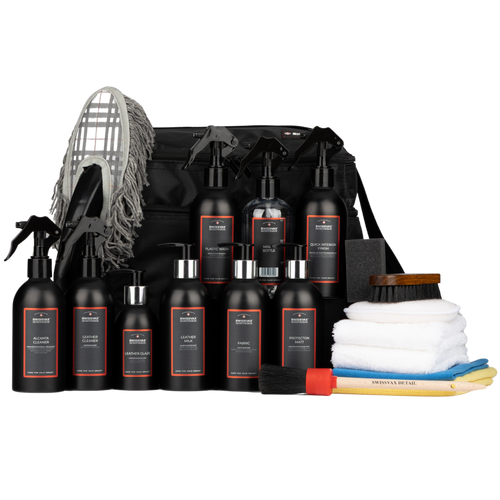
Start Here — The Complete Kit
Everything for the full ritual in one set, at a better price than buying individually. Choose the size that matches how often you care for your interior.
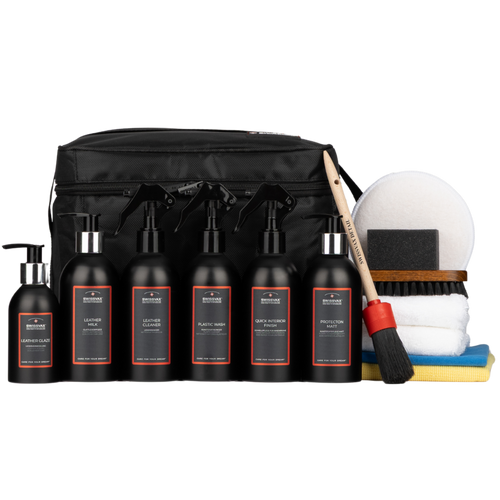
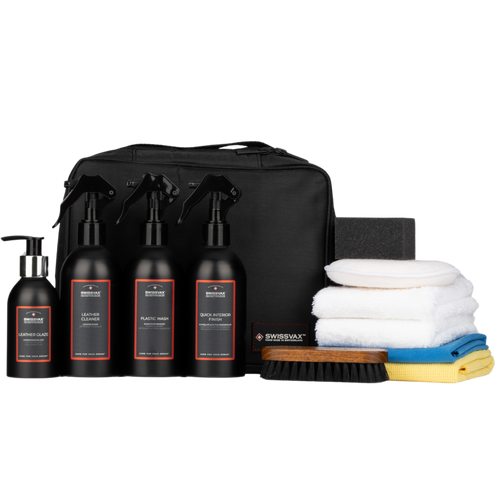
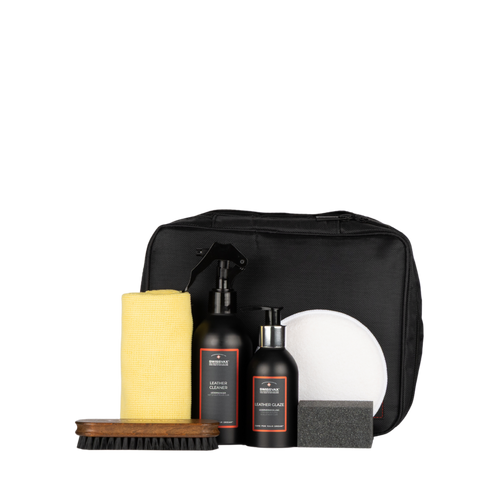
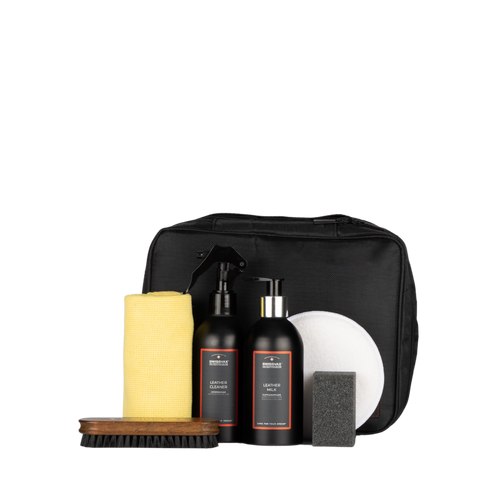
Step 1 — Clean
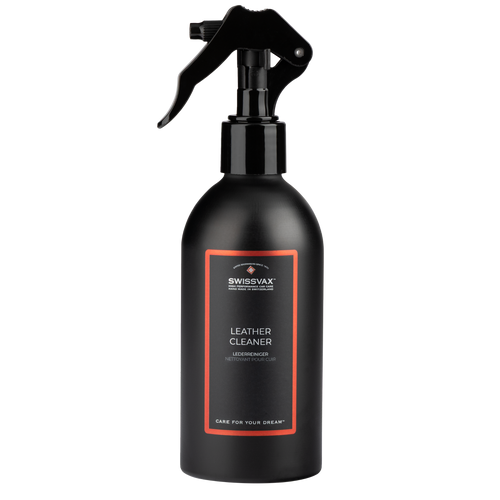
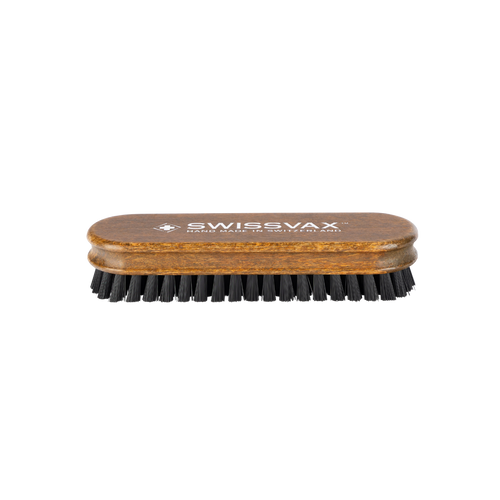
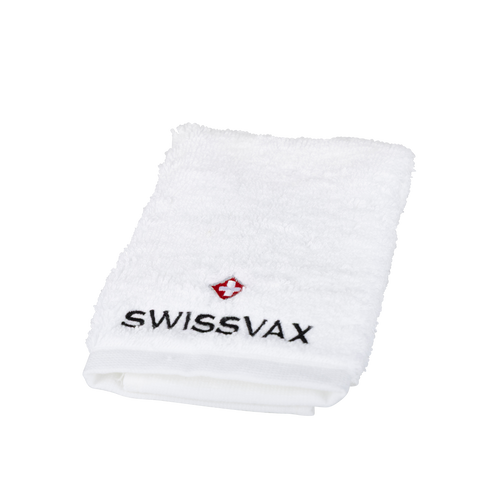
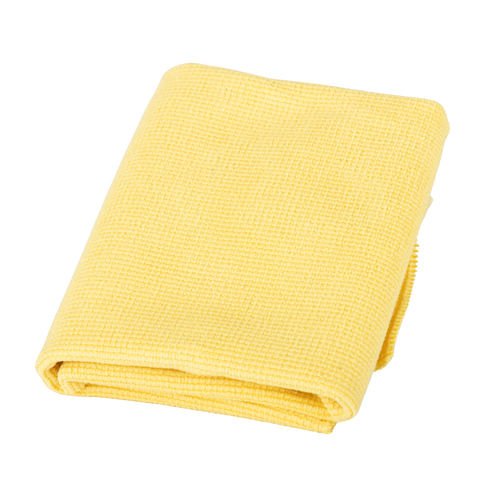
Vacuum loose dust first, then work Leather Cleaner in small sections with the Cleaning Brush and wipe the foam away with a Micro-Wash cloth. A clean surface is the foundation for everything that follows. For perforated (ventilated) seats, use a foam sponge instead of a brush.
Step 2 — Condition
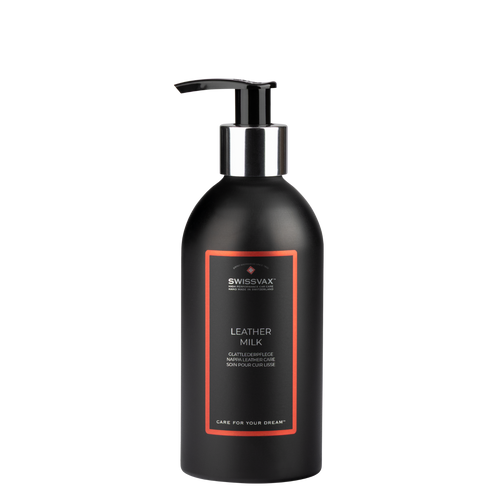
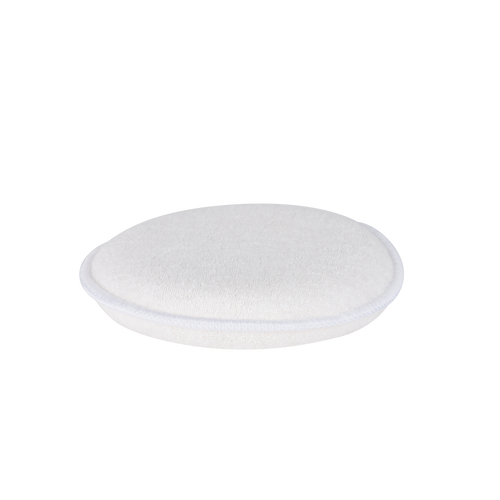
Once dry, feed the leather with Leather Milk using a Cotton Applicator. This restores lost moisture and keeps the hide supple — the step that prevents drying and cracking over time.
Step 3 — Seal
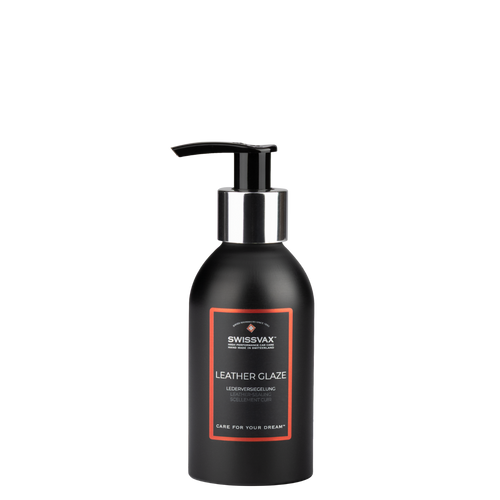
Finish with Leather Glaze for an invisible barrier against abrasion and dye transfer from dark clothing (think jeans). It dries clear and won't change the leather's color or matte finish. Apply with a fine-pored sponge in circular motions.
Step 4 — Water Protection (Optional)
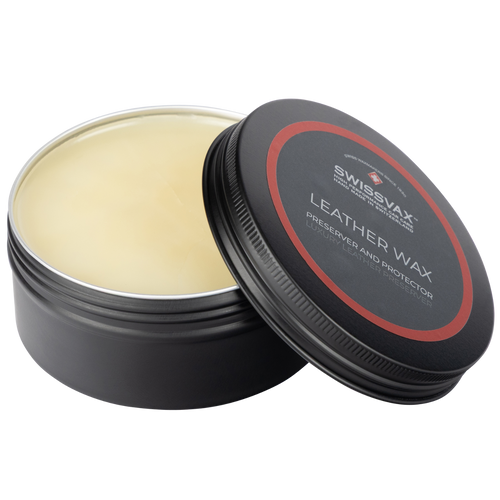
For convertible interiors or leather exposed to moisture, Leather Wax penetrates deep into the hide, keeps it supple, and forms a water-repellent barrier that inhibits mould. Skip this step on everyday closed interiors.
Understanding Your Leather
Each leather type has specific needs, and using the wrong product can cause permanent damage. Here's how to match the ritual to your interior.
Types of Automotive Leather & Their Care Needs
Not all leather is the same – and neither is the care it requires:
- Nappa Leather: The most common premium leather in modern vehicles. Smooth, soft, and durable, but susceptible to dye transfer from jeans and abrasion in high-contact areas. Requires regular cleaning and sealing.
- Open-Pored Leather: Breathable and natural in texture, but absorbs liquids and stains quickly. Needs prompt cleaning and protective conditioning to prevent permanent marks.
- Coated (Closed) Leather: Factory-treated with a protective top layer for spill and stain resistance. Easier to maintain, but the coating degrades over time without regular care.
- Vegan Leather: Synthetic surfaces that mimic leather aesthetics. Requires dedicated vegan-specific cleaners – conventional leather products can damage the material.
- Alcantara: A microfiber suede material that attracts dust and develops pilling over time. Requires a specialist textile cleaner and should never be rubbed aggressively.
Which Product for Which Step
Swissvax offers a dedicated product for each step of leather care:
- Leather Cleaner: Gentle pH-neutral formula for regular cleaning of newer leather and darker colors. For heavier soiling on robust Nappa, Leather Cleaner Forte is the stronger option.
- Leather Milk: Nourishing conditioner that replaces lost moisture and protects against UV damage. The essential step between cleaning and sealing.
- Leather Glaze: Protective sealant that guards against abrasion and dye transfer. Best results on newer leather.
- Leather Wax: Pure synthetic fat that is water-repellent and protects heavily used leather and convertible interiors against moisture and mould.
Before you start: avoid these products on buffalo or suede leather, and do not use Leather Cleaner Forte or brushes on aniline leather. To identify aniline leather, apply a drop of water to a hidden area – if it absorbs, it is aniline.
Beyond the Basics — Specialist Treatments
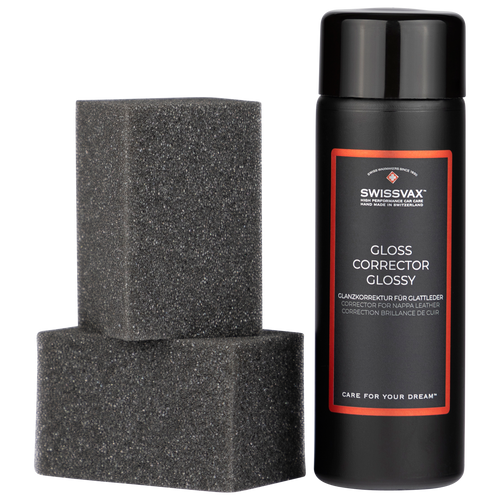
For hardened hide, worn bolsters, or uneven gloss, these targeted products restore leather that needs more than routine care. Leather Softener replenishes oils in dried-out leather; Gloss Corrector tunes a surface that has become too shiny or too matte.
Vegan Leather Care
Vegan leather looks and feels increasingly close to real leather, but it has different material properties. Conventional leather cleaners can attack the synthetic surface. Swissvax Vegan Leather Cleaner is formulated specifically for these materials – gentle, effective, and solvent-free. Seal light colors with Leather Glaze to guard against dye transfer.
Alcantara Care
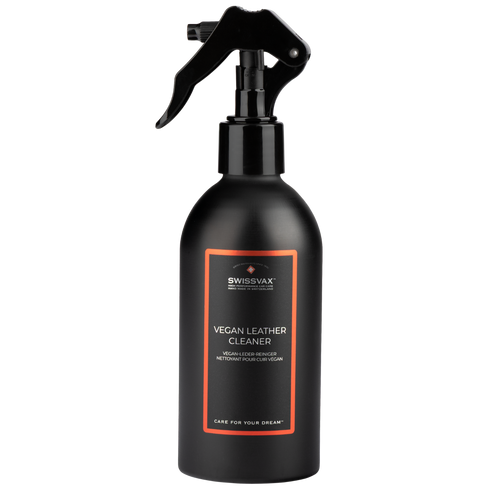
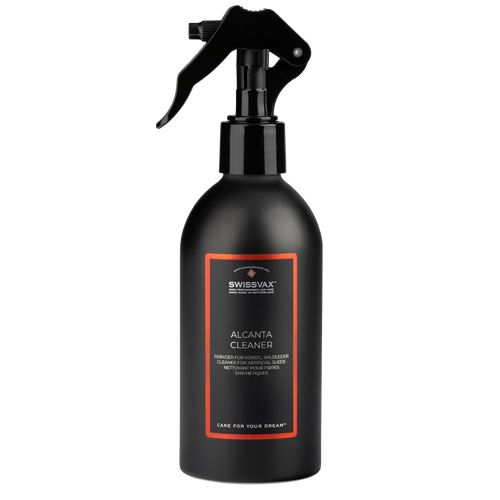
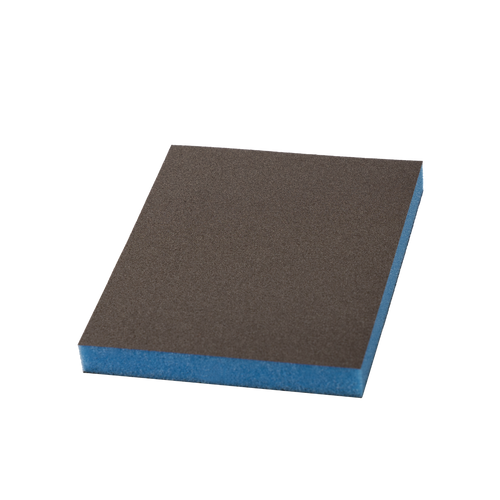
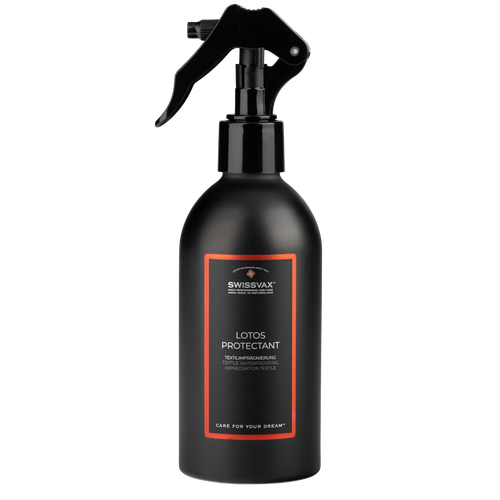
Alcantara combines the luxurious feel of suede with excellent durability, but it requires specialist care. Regular textile cleaners can damage the delicate microfiber structure. Clean with Alcanta Cleaner, address pilling with the Leather Grinding Pad, and seal with Lotos Protectant for lasting stain resistance. Never rub aggressively or use heat.
Leather Care and Leather Types
How to identify, clean, condition, and protect smooth leather, aniline leather, vegan leather, and Alcantara in your car.
-
What Types of Leather Are Used in Cars and How Do They Differ?
Vehicle interiors use several distinct leather and leather-like materials, each with different care needs.
Smooth leather (coated) is surface-sealed, durable, and the easiest to maintain. Open-pore leather such as aniline or semi-aniline leather is untreated, breathable, and noticeably more sensitive to moisture, staining, and abrasion. Vegan leather is a synthetic material that looks like leather but ages differently and requires gentler, material-specific care. Alcantara is not leather at all — it is a synthetic suede with a fine fiber structure that demands a completely different cleaning approach.
Each surface reacts differently to cleaners, moisture, and mechanical stress. Using the right product for the right material is essential to preserving appearance, feel, and longevity. Find all options in our leather care collection, or learn more on our leather care guide.
-
How Can You Tell If Your Car Leather Is Open-Pore or Coated?
A simple water drop test in an inconspicuous area gives you the answer. Place a small drop of water on the leather. If it absorbs quickly and the area darkens, the leather is open-pore (aniline). If the drop sits on the surface and can be wiped away, the leather is coated smooth leather.
Open-pore leather is untreated, breathable, and sensitive to moisture and dirt. Coated smooth leather has a protective color layer, is more resistant to wear, and significantly easier to care for.
-
Does New Car Leather Need Care or Just Protection?
New smooth leather does not need conditioning — it is sufficiently moisturized from the factory. However, it should be protected from day one against early wear, abrasion, and dye transfer from clothing (especially dark jeans).
For this purpose, apply Leather Glaze. It forms an invisible protective barrier that reduces friction and prevents dye penetration, keeping the leather cleaner and more uniform for longer without altering its natural feel.
-
How Do You Care for Used or Dry Car Leather?
After cleaning, treat used or dry smooth leather with Leather Milk. Apply sparingly — the emulsion absorbs into the material, restores moisture, and keeps the leather supple.
Leather Milk prevents further drying, improves the feel, and supports natural elasticity without over-greasing or creating an unnatural shine. For long-term waterproofing and deep protection of heavily used leather, follow up with Leather Wax as a final sealing step.
-
Which Leather Types Should Not Be Treated with Swissvax Leather Products?
Swissvax smooth leather products must not be used on buffalo leather or suede. These leather types have a different fiber structure and react negatively to standard smooth leather cleaners and conditioners.
Open-pore leather (aniline) also requires caution. Do not use strongly cleaning products or brushes on these surfaces — aggressive treatment can damage the open structure, cause staining, or permanently alter the appearance.
For sensitive leather types, the rule is always: clean gently, work without pressure, and only use products designed for that specific material.
-
How Do You Care for Vegan Leather in a Car?
Vegan leather is cleaned and optionally protected, but it does not need nourishing emulsions like genuine leather. For material-appropriate cleaning, use Vegan Leather Cleaner.
This cleaner gently removes dirt while maintaining the material's elasticity and preventing drying or cracking. The surface is cleaned without being over-treated or left greasy. Depending on the texture, apply with a soft brush or sponge, then wipe with a clean cloth.
Vegan leather is a synthetic material with different aging behavior than genuine leather. Classic leather conditioners are not suitable and can negatively affect the surface over time. See our fabric and vegan leather collection for all suitable products.
Interior and Cockpit Care
Cleaning, care, and protection of every interior surface — plastics, wood, screens, textiles — with the right Swissvax product for each material.
-
How Do You Clean a Car Interior Properly?
Start by thoroughly vacuuming loose dirt with a narrow nozzle. Remove floor mats and loose carpets beforehand for best access.
Clean textile surfaces — seats, carpets, headliners, floor mats — with Fabric. This textile cleaner removes dirt gently without leaving marks and works on all interior fabrics.
Next, clean plastic and vinyl surfaces with Plastic Wash. It provides deep-pore cleaning and creates the ideal base for subsequent care or sealing — without attacking the surface or leaving a greasy finish.
Browse our complete interior car care range, or visit our interior care guide for detailed instructions. Following this sequence keeps the interior hygienically clean, properly maintained by material, and visually consistent.
-
How Do You Care for Piano Black Trim and Touchscreens?
Sensitive surfaces like piano black trim, displays, and high-gloss interior panels are best cleaned with Quick Interior Finish and a Micro Polish cloth. Fingerprints, dust, and light smudges come off streak-free without micro-scratches.
Quick Interior Finish is antistatic and solvent-free. It prevents renewed dust buildup, protects sensitive coatings, and preserves the original finish of screens and gloss trim. See our full touchscreen care range for more options.
-
How Do You Care for Plastic Surfaces Inside a Car?
First, thoroughly clean all interior plastic and vinyl with Plastic Wash. This removes dirt, skin oils, and residues while creating an even base for care products.
After cleaning, apply Protecton for intensive deep conditioning and a rich protective layer. For matte surfaces or a matte finish, use Protecton Matt instead. Both products protect against drying, discoloration, and premature material degradation. Find all options in our plastic and carbon care collection.
-
How Do You Clean Alcantara Without Damaging It?
Clean Alcantara surfaces with Alcanta Cleaner. Spray the cleaner onto a clean sponge or directly onto the surface and work in by dabbing only. Do not press hard and do not rub — this protects the fine synthetic fibers from damage.
For heavier soiling, carefully work in the Alcanta Cleaner with a soft brush using minimal pressure. Then dab the surface dry with a soft cotton cloth. Always avoid rubbing to preserve the structure and appearance of the Alcantara.