Una Paint Protection Film (PPF) de alta calidad suele durar entre cinco y diez años con el cuidado adecuado. Los factores decisivos son la calidad de la película, la exposición ambiental diaria y, sobre todo, un mantenimiento regular y adecuado al material. El descuido, los agentes de limpieza incorrectos y la intensa exposición UV acortan significativamente su vida útil.
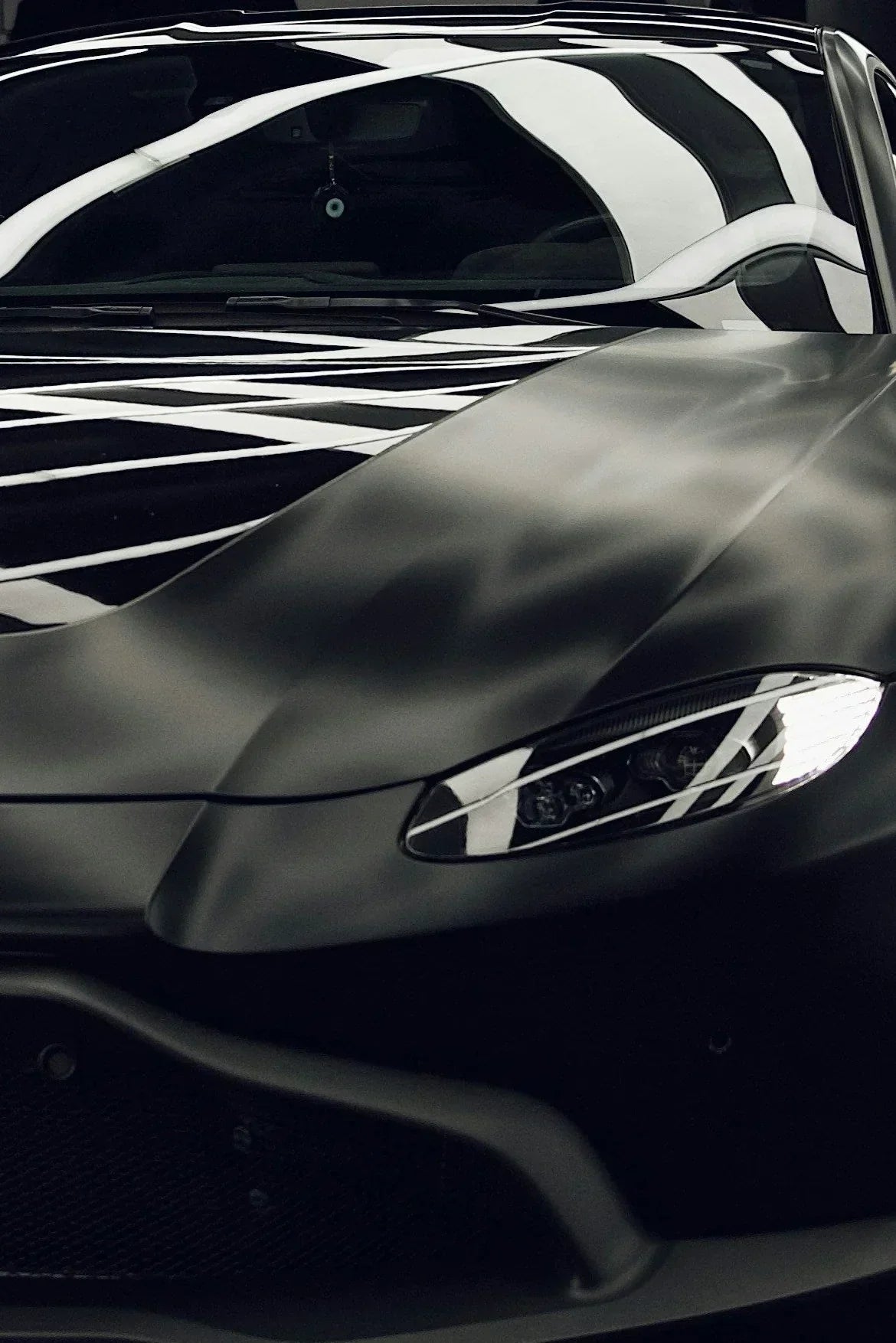
La PPF es una película protectora transparente y elástica de poliuretano que protege la pintura del vehículo de los impactos de piedras, los residuos de insectos, los productos químicos y el esfuerzo mecánico.
Las películas de protección de pintura modernas consisten en estructuras de poliuretano multicapa con propiedades autorreparables. Sin embargo, como todo material plástico, envejecen con el tiempo. La radiación UV, el calor, los productos químicos agresivos y la fricción mecánica afectan a la estructura de la película.
Si una PPF se limpia con regularidad, se protege de la exposición UV y no se somete a un esfuerzo mecánico innecesario, se mantiene elástica, clara y funcional. Sin un cuidado adecuado, la superficie se reseca, pierde plastificantes y se vuelve quebradiza. El amarilleamiento no suele deberse al material en sí, sino a la exposición UV prolongada y a la contaminación incrustada.
Cuándo tiene sentido cada solución
- Si el vehículo se estaciona regularmente al aire libre: Es aconsejable una protección UV adicional para la película para ralentizar el envejecimiento y el amarilleamiento.
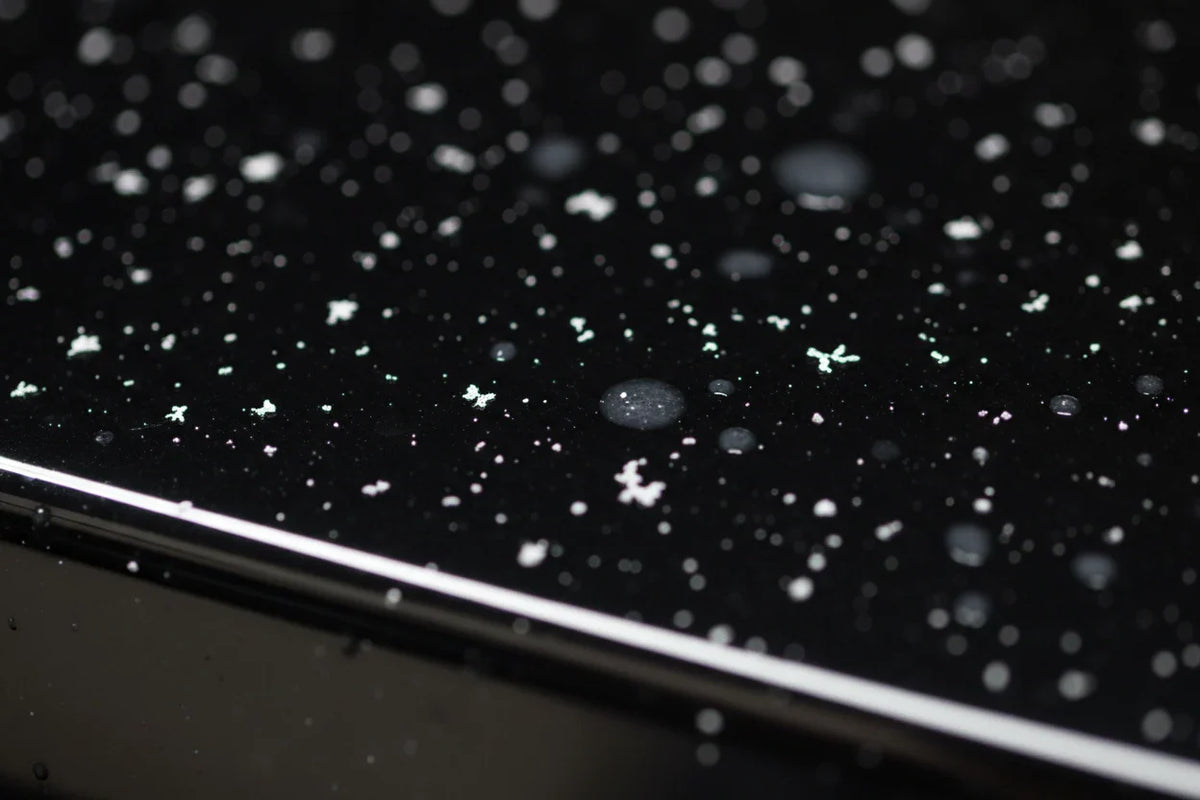
- Si se producen con frecuencia residuos de insectos o savia de árboles: Estos deben eliminarse rápidamente y con suavidad antes de que se unan químicamente con la película.
- Si la superficie parece apagada: Lo que suele faltar es protección, no limpieza. Un cuidado y sellado de PPF adecuado restaura la suavidad y la claridad visual.
Paso a paso
Preparación
- Estacione el vehículo a la sombra
- Deje que la superficie se enfríe
- Aclare a fondo la suciedad suelta
Aplicación
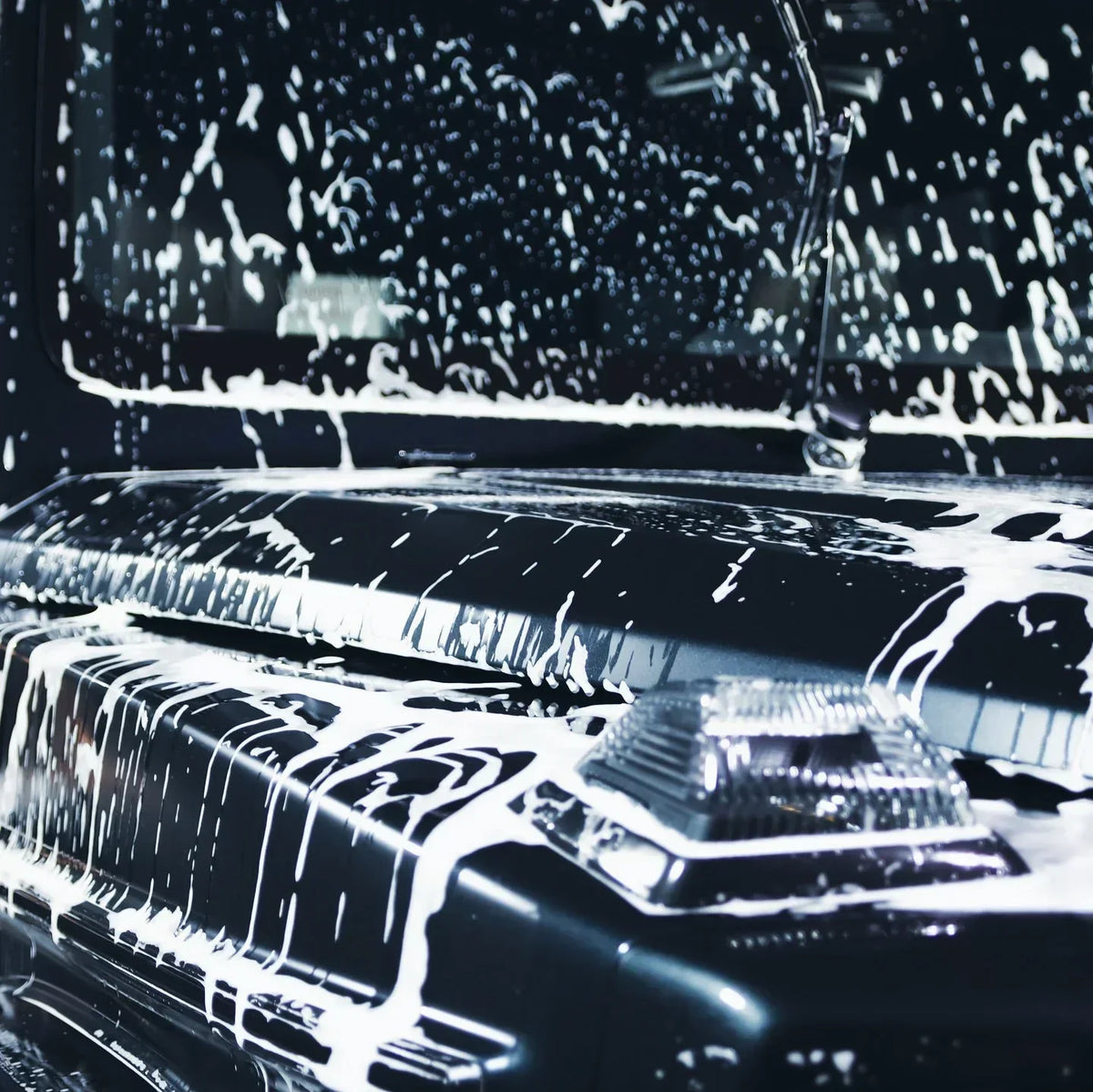
- Limpie la PPF con champú de pH neutro
- No use limpiadores agresivos ni disolventes
- Ablande los residuos de insectos con un paño de microfibra húmedo, no los frote en seco
Cuidado posterior / protección
- Seque la película con suavidad
- Aplique una protección adecuada para PPF
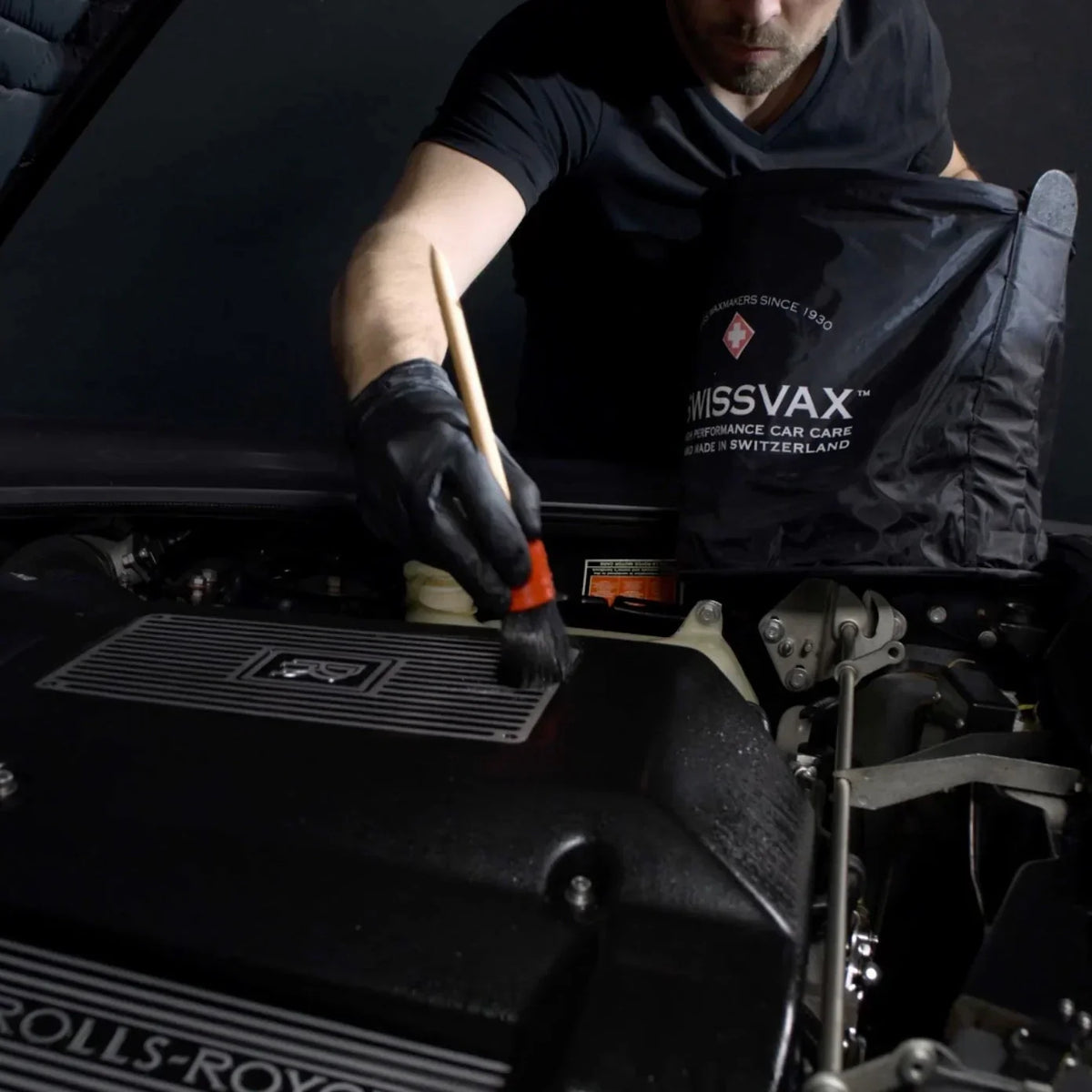
- Mantenga intervalos de cuidado regulares, por ejemplo con PPF Care de SWISSVAX
Errores comunes y mitos
- «La PPF no requiere mantenimiento»: Incorrecto. Las películas también requieren cuidado para conservar sus propiedades.
- «Los insectos simplemente pueden limpiarse»: Incorrecto. Los residuos de insectos secos son ácidos y atacan la superficie de la película.
- «Los limpiadores fuertes limpian mejor»: Incorrecto. Los productos químicos agresivos aceleran el envejecimiento y pueden resecar o incluso dañar la película.
Consejo profesional de la práctica
Cuanto antes se elimine la contaminación, más tiempo se mantiene clara y elástica una PPF. En la práctica, los vehículos con un cuidado regular y adecuado al material alcanzan fácilmente el extremo superior del rango de vida útil.
Preguntas frecuentes
¿Cómo se eliminan los residuos de insectos de la PPF?
Humedezca con agua, deje actuar brevemente y elimine con suavidad con un paño de microfibra suave sin presión. Si los residuos son persistentes, coloque el paño de microfibra húmedo sobre los insectos y déjelos ablandar antes de eliminarlos.
¿Qué es lo que más daña a una película de protección de pintura?
La radiación UV, los productos químicos agresivos y la fricción mecánica.
¿Puede amarillear la PPF?
Sí, especialmente con una fuerte exposición UV y un cuidado insuficiente.
¿Se puede encerar o sellar la PPF?
Sí, con productos diseñados específicamente para este fin, como SWISSVAX PPF Wax.
La PPF es una solución de protección de pintura duradera cuando se mantiene correctamente. La limpieza regular, la protección UV y evitar los métodos agresivos determinan años de durabilidad. Tratar la película como pintura reduce su potencial y su vida útil.